
Letting Go of Expectations Before an Ayahuasca Retreat

Before an ayahuasca retreat, almost everyone builds expectations: visions, answers, a breakthrough, or the fear of feeling nothing at all. After guiding more than 300 people through four days of plant medicine, our advice is simple: trade those expectations for one clear intention, and let the medicine do the rest. Research points the same way. In a 2018 study from Imperial College London that followed 654 people before and after a psychedelic experience, ayahuasca among them, those with clear intentions reported more mystical-type experiences, and those who felt prepared and ready to surrender were less likely to have a challenging one. Why do we build expectations before an ayahuasca retreat? It is natural, almost inevitable, to create expectations when we step into something new, especially when that experience carries as much mystery and depth as an ayahuasca retreat. From the moment the decision is made, the mind begins to weave stories. Images, scenarios and questions arise, forming a kind of inner narrative about what is about to happen: What will I experience? Will I see visions? What if I don’t see anything? Am I ready for what may come? Will it be overwhelming? Will I suffer? As the retreat approaches, these thoughts can intensify. The mind, trying to protect and understand, moves into overdrive. Doubts may appear, and anticipation can easily turn into anxiety. You may find yourself wondering: have I made the right decision? This is a very human response to the unknown. From our own ceremonies and from guiding more than 300 people, we see it again and again: nearly everyone who comes to the medicine for the first time feels a mix of curiosity, excitement and uncertainty. It simply means the mind is finding its way through unfamiliar territory. How can expectations limit the experience? Expectations often come from a wish to control the outcome, to decide in advance what the experience should look like. Ayahuasca does not work within the frame of our expectations. The medicine meets you where you are, not where your mind imagines you should be. When we hold tightly to expectations, we may unconsciously resist what is actually unfolding. We compare the experience with imagined scenarios or with the stories of others. That can bring frustration, doubt, or the feeling that something is “missing”, when the experience is offering exactly what is needed. Letting go of expectations is a form of openness. You still care about what happens; you simply stop writing the ending in advance. What is the difference between an expectation and an intention? While expectations can limit, intentions can guide. Coming to a retreat with a clear, heartfelt intention can be a real support. An intention is a gentle orientation of your energy and awareness, with no demand and no fixed outcome attached. You may come wanting to understand a pattern, to release something that no longer serves you, or to reconnect with yourself on a deeper level. Intentions like these work as a compass: they give you a direction and leave the route open. The medicine, in its intelligence, works beyond the mind’s plan, often bringing forward what is truly needed rather than what was expected. A simple way to start: write your intention down in one or two sentences. What if I am shown something I am not ready to face? Trust is one of the most important parts of working with ayahuasca, and this is the fear we hear most often. In our tradition we trust that the medicine works with a deep and subtle intelligence. Experiences can feel intense or uncomfortable at times, and in our experience what comes up is rarely random: it is part of a process of awareness and release. What we usually see is that people meet what they are ready to work with, even when it feels like too much in the moment. You are never on your own with it. Before the retreat we ask every guest about their health and medication, and during the ceremonies we stay awake all night taking care of you. What can I do when something difficult comes up? Remember that everything passes. The experience is fluid: sensations, emotions and visions arise and dissolve. Learning to observe and stay present, without clinging or pushing away, is a key part of the journey. When something difficult arises, instead of holding on to it or trying to control it, you can gently ask: why is this being shown to me? What is here for me to understand? This shift, from resistance to curiosity, can transform the entire experience. The body helps too. Each morning, in the somatic release, we start with exercises to come back into the body and let go of what the night brought up. What does surrender mean in an ayahuasca ceremony? Once you have felt the calling and made the decision to sit with the medicine, there is little benefit in rehearsing every possible outcome in your head. The invitation is to soften, and to trust that something within you already knows why you are there. The more you are able to surrender, letting go of control, expectation and resistance, the more naturally the experience can unfold. Surrender is different from passivity: it means allowing the process to move through you without the mind getting in the way. Often, it is in this space of surrender that the deepest insights and transformations arise. Research supports this too: a 2021 review of 14 studies, most of them with psilocybin, found that people who arrived open and ready to surrender tended to have more positive experiences, while those who arrived preoccupied or apprehensive had more difficult ones. How do we support you during the retreat? The inner journey is deeply personal, and you are not alone in it. At Mahanse we hold each of our ayahuasca retreats with care, presence and responsibility. We keep the group small, up to twelve people, and our role is to create a safe and supportive space where
Ayahuasca in Europe vs the Amazon
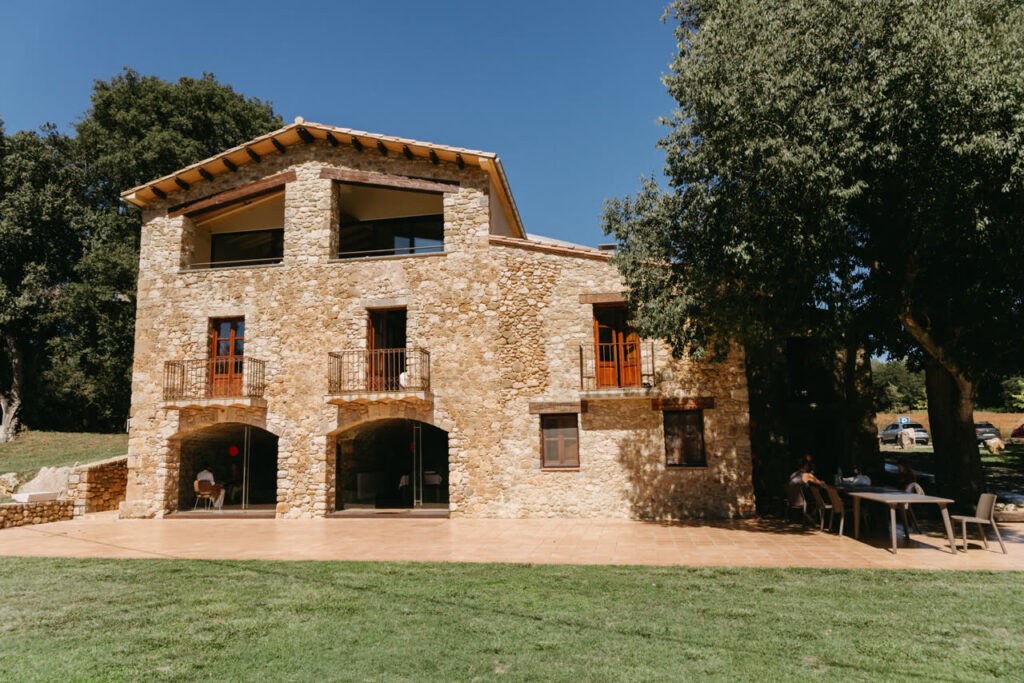
Begin Your Application Ayahuasca in Europe vs the Amazon: What’s the Real Difference? You may have been wondering whether joining an ayahuasca retreat in Europe is the same as going to the Amazon. Can you receive the same healing? Does the location change the depth of the experience? These are valid questions, especially when you’re investing time, money, and trust into something as profound as this work. The reality is more nuanced than a simple yes or no. The Origin of Ayahuasca and the Role of Tradition Ayahuasca comes from the Amazon. This is where the plants grow naturally and where the traditions around the medicine have been developed and preserved for generations. Working with ayahuasca is not simply about preparing a brew. It requires training, discipline, and a deep understanding of both the plants and the human experience. Authentic shamans spend years—often decades—learning how to work with the medicine. They are not only trained in preparation, but in holding space, guiding the process, and understanding what arises during ceremonies. This level of training is what creates safety and depth in the experience. Whether in Europe or the Amazon, the key factor is not geography, but the integrity and preparation of the guide. Legal and Practical Differences One of the main differences between ayahuasca in Europe and the Amazon is the legal framework. In many Amazonian countries, working with ayahuasca exists within a cultural and legal context that allows it more freely. In contrast, in parts of Europe—such as the UK and other countries—the legal status is more restrictive. This creates practical differences. Transporting the medicine can be complex, and not all retreats work with the same brew. In some cases, alternative preparations are used, such as combinations involving other plants like harmala or jurema, often referred to as “anahuasca.” This is why it is essential to ask clear questions: What kind of brew is being served? Where does it come from? Who prepared it? Transparency here reflects the seriousness of the retreat. Accessibility, Cost, and Travel Traveling to the Amazon requires more time, planning, and financial investment. It often involves long flights, remote locations, and a deeper level of logistical commitment. For some, this journey is part of the experience. The immersion in the jungle can feel powerful and symbolic. At the same time, retreats in Europe offer a different kind of accessibility. Shorter travel, lower costs, and a more familiar environment can make the experience more approachable. For many people, this allows them to focus more on the internal process rather than external challenges. Neither option is inherently better. They simply offer different conditions. Safety, Environment, and Context The environment plays a role in how the experience is lived. The Amazon offers a raw, immersive setting. Nature is intense, alive, and present at all times. For some, this enhances the sense of authenticity and connection. In Europe, retreats often provide more physical comfort. Facilities tend to be more controlled, and the environment can feel safer and more predictable. This can support relaxation, especially for those entering the experience for the first time. It is also important to consider general safety. Traveling to remote areas in foreign countries can carry risks related to health, infrastructure, or local conditions. Europe tends to offer more stability in these aspects, which can be a relevant factor depending on your situation. NOT SURE IF THIS IS FOR YOU? We have created a self assesment quiz to know if you are in the right moment for a deep internal process like an Ayahuasca Retreat START FREE QUIZZ The Myth of the “Real Shaman” There is a common assumption that being from the Amazon automatically makes someone a trustworthy or skilled shaman. In reality, this is not always the case. Not everyone who presents themselves as a shaman has gone through proper training or holds the integrity required for this work. At the same time, not every European facilitator lacks depth or experience. Some have trained extensively, often with indigenous teachers, and bring a high level of care and responsibility into their work. Origin alone is not a guarantee. What matters is the quality of the training, the intention behind the work, and the way the space is held. Shamans Traveling to Europe Another important aspect is that many experienced shamans travel to Europe to share their work. This creates a bridge between traditions and allows people to access authentic guidance without needing to travel to the Amazon. In these cases, the experience can combine the depth of traditional knowledge with the accessibility and comfort of a European setting. Can You Get the Same Healing? The depth of healing is not defined by location. It is shaped by the quality of the guidance, the preparation, the integration, and your own openness to the process. A well-held retreat in Europe can offer a deeply transformative experience. A well-held retreat in the Amazon can do the same. The external setting influences the atmosphere, but the core of the work remains the same. The question becomes less about where you go, and more about who you work with and how you approach the experience. Choosing What’s Right for You Some people feel called to the jungle. Others feel more aligned with starting in Europe. Both choices are valid. What matters is choosing a path that feels grounded, informed, and aligned with your current situation. Take the time to research, ask questions, and understand the approach of the retreat. Look for clarity, honesty, and a sense of responsibility in how the work is presented. A Note on Mahanse At Mahanse, we understand that each person’s path is different. That’s why we offer multiple ways to approach this work. We hold retreats in Spain, retreats in Colombia, and once a year we invite an experienced shaman to Europe to guide ceremonies. This allows you to choose the environment that best supports your process, while maintaining the same level of care, integrity, and respect for the medicine. WOULD YOU LIKE
Ayahuasca and Preparing for a Good Death
Begin Your Application Why learning how to die might be the most important thing you ever do https://www.youtube.com/watch?v=897wKsjoySY NOT SURE IF OUR RETREAT IS FOR YOU? We have created a self assesment quiz to know if you are in the right moment for a deep internal process like an Ayahuasca Retreat START FREE QUIZZ Most people don’t want to think about death. Not really. They may talk about it intellectually, philosophically, even spiritually—but deep down, there is avoidance. A subtle resistance. A quiet fear. And yet, the way you relate to death defines the way you live. To prepare to die does not mean becoming morbid or obsessed with the end. It asks for something much more confronting, and much more honest: It is about learning to face yourself completely. The real fear behind death People often say they fear death. But in reality, what most people fear is not death itself. They fear: The life they didn’t fully live The truth they avoided The emotions they suppressed The decisions they postponed There is an ancient idea that still holds psychological truth today: Those who live in darkness avoid the light, because they fear what will be revealed. You do not need to be religious for this. What it needs is psychological integrity. If you cannot sit with yourself in silence…If you avoid looking at your own patterns…If you distract yourself from your own inner reality… Then of course death feels threatening. Because death removes all distractions. Ayahuasca as a tool to prepare to die In recent years, more people have become interested in ayahuasca retreats. Some come out of curiosity.Some out of desperation.Some out of a deeper intuition that something inside them needs to change. But in a structured and serious context, ayahuasca is not used as entertainment. It is used as a tool for deep confrontation and internal reorganization. In the right environment, guided with responsibility, ayahuasca can: Facilitate intense introspection Bring unresolved emotional material to the surface Disrupt rigid mental patterns Increase emotional awareness Reconnect individuals with a deeper sense of meaning Research has also suggested that ayahuasca may support neuroplasticity and emotional processing when used in controlled settings. But beyond the science, there is a deeper layer. Many people who participate in a serious ayahuasca retreat encounter something unexpected: They face their own death. The experience of “dying” before you die This is not metaphorical. During certain ceremonies, individuals may experience: Loss of identity Dissolution of the ego A sense of leaving the body The feeling that “everything is ending” From the outside, this may sound extreme. From the inside, it is often described as one of the most significant experiences of a person’s life. Because in that moment, something fundamental happens: You realize that what you thought you were… is not all that you are. And that realization changes everything. What happens after confronting death People who go through this kind of experience—when properly supported and integrated—often report a shift that is difficult to explain but very real. Common outcomes include: A significant reduction in fear of death Decreased anxiety A sense of internal lightness Greater appreciation for life A deeper connection with themselves The insight is often simple, but powerful: Life is not as solid as we think.Identity is not as fixed as we believe.And death is not necessarily the end we imagine. This does not turn people into mystics. It makes them more grounded, present, and honest. Why most people remain stuck If this kind of transformation is possible, why doesn’t everyone experience it? Because the real barrier is not access. It is avoidance. Most people remain trapped in patterns such as: Blaming external circumstances Avoiding uncomfortable emotions Repeating self-destructive behaviors Living disconnected from their own truth Over time, this leads to: Loss of self-trust Emotional numbness Internal frustration A quiet sense of defeat This is what creates the fear of death. Not death itself. But the feeling of having lived without depth, without truth, without full presence. Preparing for a good death is learning how to live To prepare to die well is not something you do at the end of your life. It is something you practice every day. It is reflected in simple but uncomfortable questions: Are you living in alignment with your values? Are you speaking the truth you avoid? Are you carrying unresolved conflicts? Are you taking responsibility for your life? Preparing for death means: Making peace with your past Repairing relationships where possible Setting boundaries where necessary Living with honesty and coherence There is a simple idea that captures this clearly: If you cannot go to sleep in peace, you will not be able to die in peace. The role of ayahuasca retreats in this process A well-structured ayahuasca retreat is not designed to give you answers. It is designed to put you in direct contact with yourself. At Mahanse, for example, the retreat is built as a structured process—not a random experience: Emotional and psychological work Somatic release practices Deep introspection Three guided ayahuasca ceremonies Integration and post-retreat support The purpose is not intensity for the sake of intensity. It is clarity, responsibility, and integration. As described in the internal framework of the retreat: The process can lead to a reorganization of mental, emotional, and spiritual patterns, often resulting in greater clarity, reduced anxiety, and a stronger sense of identity But this only happens under one condition: You must be willing to face yourself without avoidance. The misconception of “healing” Many people approach ayahuasca with the idea of “healing.” But the real question is not: “Do you want to heal?” The real question is: How willing are you to confront yourself? Because this path is not comfortable. It requires: Emotional honesty Personal responsibility Willingness to see what you have avoided But it also offers something rare: A direct experience of truth. Creating your own version of “heaven” There is a common belief that peace, fulfillment, or “heaven” is something that comes after life. But a
Fear of the Ayahuasca Purge
Begin Your Application Fear of the Ayahuasca Purge: Understanding What Really Happens The fear of the ayahuasca purge is one of the most common emotional barriers people experience when they begin considering a ceremony. It often appears early, sometimes even before a clear decision has been made. The mind starts to imagine what might happen, focusing on the physical aspect of purging and associating it with discomfort, loss of control, or vulnerability. This reaction is natural. Whenever we approach something unfamiliar—especially something that invites us into deeper layers of ourselves—the mind tries to anticipate and protect. What is important to understand is that the fear of the ayahuasca purge is usually built on partial information. Many people have heard that purging involves vomiting, and while that can be one expression, it is only one part of a much broader process. The body has multiple ways of releasing tension, and each person’s experience is different. Some people purge physically, others emotionally, and some move through the experience without any noticeable release at all. The diversity of these responses reflects the intelligence of the body rather than a fixed rule about how the process should unfold. At its core, purging is a form of cleansing. The body and mind work together to release what has been accumulated over time—physical toxins, unprocessed emotions, and patterns that no longer serve a purpose. When seen from this perspective, the process begins to feel less like something to resist and more like something the body already knows how to do. The fear of the ayahuasca purge often softens when this understanding becomes clearer, because the focus shifts from “something happening to me” toward “something moving through me.” Many people who carry the fear of the ayahuasca purge are also holding a deeper concern: the idea of losing control. In daily life, we are used to managing our responses, organizing our behavior, and maintaining a sense of composure. The idea of entering a space where the body expresses itself freely can feel unfamiliar. However, within a well-held ceremonial environment, this process is supported with care, structure, and guidance. The experience unfolds in a contained space where safety and respect are central, allowing the body to release without chaos. Another layer of the fear of the ayahuasca purge comes from misunderstanding its purpose. Some people believe that purging is required to have a meaningful experience, which can create pressure or anxiety. In reality, the depth of an ayahuasca journey is not defined by whether or not you purge. Transformation can occur through insight, emotional awareness, or subtle internal shifts. The process adapts to what each individual needs, and that may or may not include a physical release. NOT SURE IF THIS IS FOR YOU? We have created a self assesment quiz to know if you are in the right moment for a deep internal process like an Ayahuasca Retreat START FREE QUIZZ How does it feel to purge during the ceremony? It is also helpful to recognize that the fear of the ayahuasca purge tends to feel stronger before the experience than during it. Anticipation amplifies uncertainty, and the mind fills in gaps with imagined scenarios. Once inside the ceremony, attention shifts toward the present moment. The body responds naturally, and what once felt like a major concern often becomes just one part of a much larger experience. Many people describe that, when purging happens, it feels purposeful and even relieving, rather than something to resist. The body’s intelligence plays a central role in this process. It knows how to regulate, how to release, and how to restore balance when given the right conditions. The fear of the ayahuasca purge can obscure this trust, placing emphasis on control instead of cooperation. When the focus shifts toward listening—toward allowing the body to do what it needs—the experience becomes more fluid. There is less resistance, and with less resistance comes a different quality of presence. Emotional purging is another dimension that is often overlooked. While physical release is more visible, many people experience the process through tears, laughter, or a deep emotional shift. These expressions are equally valid forms of cleansing. They reflect the release of stored experiences and the movement of energy that has been held for a long time. Understanding this expands the meaning of purging beyond the physical and reduces the intensity of the fear of the ayahuasca purge. Preparation also influences how this fear is experienced. When people take time to understand the process, ask questions, and approach the experience with intention, the fear of the ayahuasca purge tends to become more manageable. It transforms from a vague anxiety into something that can be observed and understood. This shift does not eliminate the unknown, but it creates a more grounded relationship with it. Purging in a safe ceremony and trusting the process Within a supportive setting, guidance is available throughout the experience. This includes practical support for physical release as well as emotional reassurance. Knowing that you are not navigating the process alone has a significant impact on how the fear of the ayahuasca purge is perceived. It becomes part of a shared human experience rather than an isolated concern. Trust develops gradually. It is not something that needs to be forced. As understanding deepens, the fear of the ayahuasca purge often gives way to a quieter sense of acceptance. The focus moves away from anticipating discomfort and toward being present with whatever arises. This presence allows the experience to unfold in a way that feels more natural and less controlled. At Mahanse, the process is approached with care, respect, and attention to each individual’s experience. The fear of the ayahuasca purge is acknowledged as a valid concern, and space is created to explore it openly. Guidance is provided before, during, and after the ceremony, ensuring that each person feels supported in navigating both the physical and emotional aspects of the journey. Ultimately, the fear of the ayahuasca purge is part of the threshold into
The Ayahuasca Calling, meaning and signs
Begin Your Application Ayahuasca Calling: Meaning, Signs, and Why You Can’t Stop Thinking About It The ayahuasca calling often begins in a quiet, almost imperceptible way. It doesn’t arrive as a clear decision or a structured intention. Instead, it appears as a recurring presence in your mind, a thought that returns without effort and gradually becomes more familiar. You may notice it during ordinary moments, when nothing in your environment seems to be triggering it. And yet, there it is again—ayahuasca, not just as an idea, but as something that feels personally relevant. This is what makes the ayahuasca calling distinct. It carries a sense of recognition rather than discovery. It feels less like encountering something new and more like remembering something that was already waiting for your attention. Over time, this subtle awareness grows stronger, not through intensity, but through consistency. The thought remains, and with it, a sense that there is something worth exploring. NOT SURE IF THIS IS FOR YOU? We have created a self assesment quiz to know if you are in the right moment for a deep internal process like an Ayahuasca Retreat START FREE QUIZZ Why the Ayahuasca Calling Feels So Personal The ayahuasca calling connects deeply with individual life context. Two people can be exposed to the same information about ayahuasca and experience completely different reactions. One may feel indifferent, while the other feels a quiet but persistent pull that continues over time. This difference reflects an internal readiness to engage with deeper questions and experiences. Many people who experience the ayahuasca calling find themselves in a phase of life where reflection has already begun. There is often a sense of having explored different paths of growth, combined with the awareness that something remains unresolved or not fully understood. This creates a natural openness to experiences that offer depth and perspective. The ayahuasca calling aligns with this openness. It resonates with a desire to understand patterns, emotions, and inner dynamics at a deeper level. This is why it feels so personal—it connects directly with your internal process rather than external influence. Why You Can’t Stop Thinking About Ayahuasca A defining characteristic of the ayahuasca calling is the persistence of the thought. It doesn’t pass like a temporary curiosity. Instead, it returns in a steady and consistent way, creating a sense of ongoing relevance. From a psychological perspective, this persistence reflects the way attention works when something meaningful is emerging. Your awareness begins to orient itself toward ideas and experiences that connect with deeper layers of your inner world. The ayahuasca calling becomes one of those focal points. At the same time, your environment begins to mirror this focus. You may notice more conversations, articles, or references related to ayahuasca. These moments feel aligned with your internal state, reinforcing the sense that this is something worth paying attention to. Together, this internal readiness and external recognition create a coherent experience. The ayahuasca calling feels present, consistent, and increasingly clear. Is the Ayahuasca Calling Psychological or Spiritual? The ayahuasca calling can be understood through both psychological and experiential perspectives, and these dimensions often complement each other. From a psychological point of view, the ayahuasca calling reflects a movement within the unconscious. It signals that certain aspects of your inner experience are ready to be explored more deeply. This includes emotional patterns, unresolved questions, and areas of personal growth that have not yet been fully accessed. From an experiential perspective, many people describe the ayahuasca calling as a sense of alignment. It feels like being drawn toward something meaningful, even without a complete explanation. This sense of direction often brings a feeling of curiosity combined with respect for the process. These perspectives coexist naturally. The ayahuasca calling becomes a bridge between inner psychological processes and a broader sense of meaning and connection. Ayahuasca Calling and Readiness The ayahuasca calling introduces the question of readiness in a natural way. As the thought becomes more present, it invites a deeper reflection on your current state and intentions. Readiness develops through clarity, stability, and a genuine willingness to engage with your inner world. It includes an openness to experience different aspects of yourself, including those that may feel unfamiliar or challenging. This openness creates the foundation for a meaningful process. The ayahuasca calling supports this reflection. It encourages you to explore your motivations and to understand what is drawing you toward the experience. This process of inquiry strengthens your sense of direction and helps you approach the decision with awareness. As you continue to observe the ayahuasca calling, its nature often becomes more refined. What begins as a recurring thought gradually develops into a clearer sense of intention. Your questions evolve. They become more specific, more grounded, and more connected to your personal process. You begin to understand what you are seeking, what you are ready for, and what kind of experience would support your growth. This evolution reflects an increasing level of awareness. The ayahuasca calling becomes less about the initial curiosity and more about a conscious exploration of your path. Discernment Within the Ayahuasca Calling The presence of the ayahuasca calling naturally invites discernment. As interest grows, so does the importance of understanding the context, the process, and the environment in which the experience takes place. Ayahuasca is a powerful tool that interacts with your psychological and emotional landscape. This makes preparation, guidance, and integration essential elements of the process. The ayahuasca calling opens the door to this exploration, while discernment ensures that each step is aligned and intentional. Approaching the experience with clarity and responsibility enhances its potential and supports a deeper, more grounded outcome. Listening to the Ayahuasca Calling The ayahuasca calling unfolds through attention and presence. It invites you to listen carefully to your internal experience and to observe how it evolves over time. This listening creates space for clarity. It allows you to understand your motivations, your expectations, and your readiness in a more complete way. The process becomes less about reaching
What to Bring to an Ayahuasca Retreat in Europe
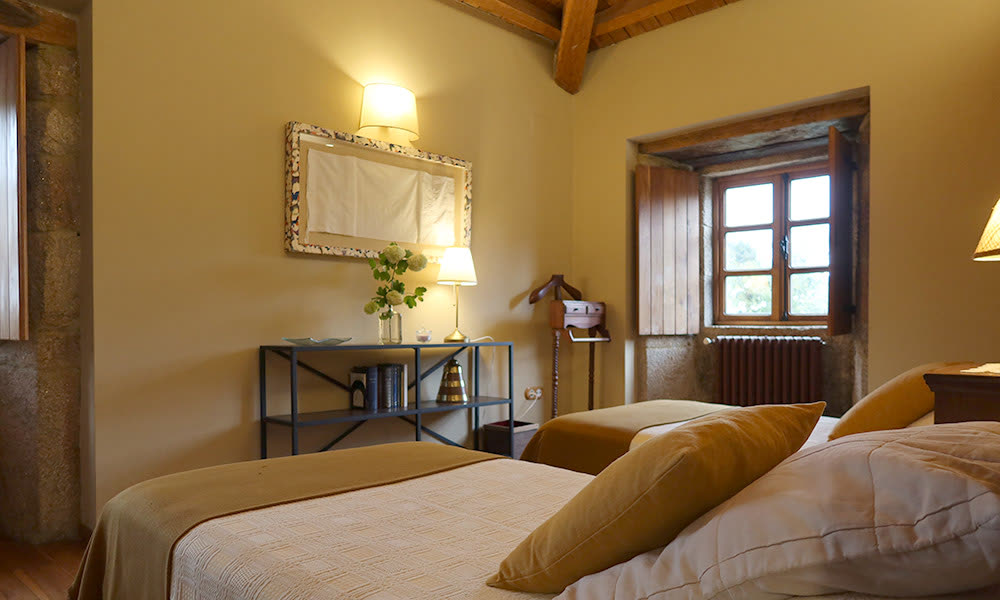
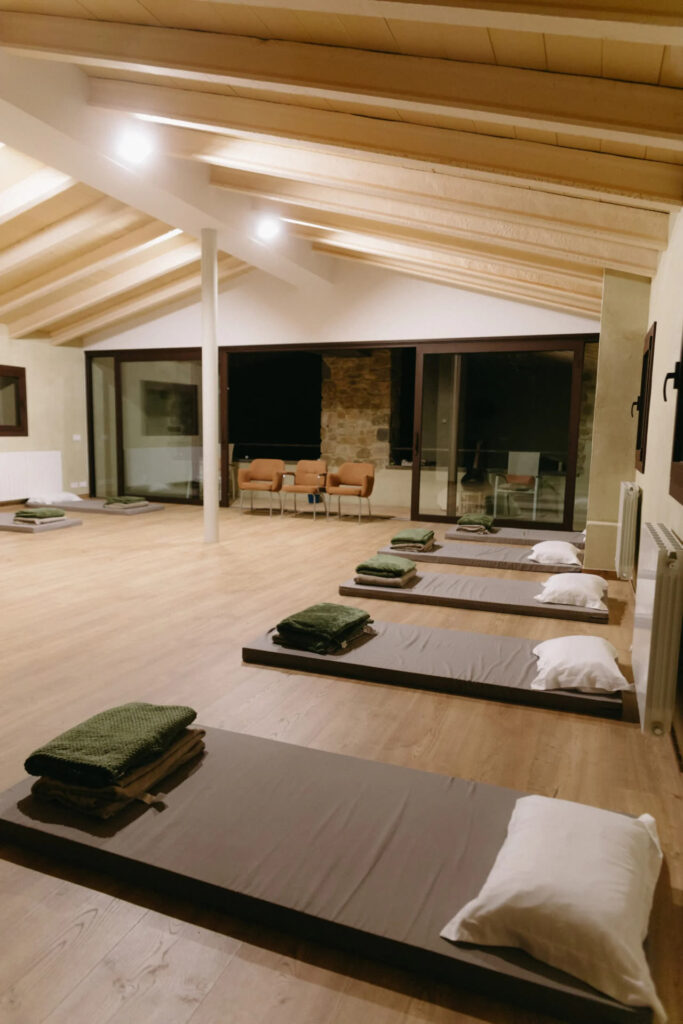
Begin Your Application Top 14 things to bring to an ayahuasca retreat with Mahanse Preparing for an ayahuasca retreat in Europe means bringing only what truly supports your experience. Simplicity, comfort, and intention are key. The environment is designed to help you go inward, so everything you bring should serve that purpose. Let’s review what to bring to an ayahuasca retreat in Europe with Mahanse: Essentials for Comfort and Presence 1. Warm and Comfortable Clothes Retreats in Europe can vary in temperature, especially at night. Bring layers that feel soft and comfortable. You’ll want clothing that allows you to relax fully without distraction. 2. Sleeping Earplugs and Sleep Mask Rest is an important part of the process. Earplugs and a sleep mask may help you recover between ceremonies, especially if you have a light sleep, or if you are sharing your room. At Mahanse rooms are for a max. of 2-3 people. 3. Extra Blanket (if not provided) Having your own blanket can add a sense of familiarity and warmth, making it easier to settle into the space. (At mahanse we provide with comfortable matress and 2 warm blankets for every joining). NOT SURE IF THIS IS FOR YOU? We have created a self assesment quiz to know if you are in the right moment for a deep internal process like an Ayahuasca Retreat START FREE QUIZZ Personal Care and Practical Items 4. Personal Hygiene Items Bring your essentials like a toothbrush and natural toiletries, soaps and skin care or shaving stuff + essences. At Mahanse Retreats we offer Shampoo, Body Wash and Conditioner, so keep it simple! 5. Water Bottle Staying hydrated is important before and after ceremonies. A reusable bottle is practical and sustainable. At our retreats we have plenty of bottles in case you don’t bring your own. 6. Lip Balm The body can feel dry during the process. Lip balm is a small but useful item to stay comfortable, specially in cold seasons where the air is dry. 7. Phone Charger Your phone may not be used often, but having it charged for logistics or travel is helpful! 8. Journal and Pen Writing allows you to capture insights, emotions, and reflections. Many realizations come after the ceremony, and having a place to process them is valuable. Connection with the Environment 9. Swimmwear Many retreats in Europe include access to nature—rivers, lakes, or pools. Swimming can be part of your integration and relaxation. 10. Offerings and Personal Items You may feel called to bring something meaningful—an object, a photo, or a small offering. These items can support your intention and connection during the retreat. In traditional lineages bringing a gift to the shaman, like tobacco cigars or incienses is always appreciatted. 11. Incense an Essences Used with awareness, incense can help create a personal moment of grounding or reflection. During the ceremonies we also use agua florida or other essences which cleanse your energy. 12. Rapé, Tobacco, Mambe If you already work with these, you can bring your own. Always follow the guidance of the facilitators and the space you are entering. Final Preparation Packing for an ayahuasca retreat in Europe is a process of simplification. Each item should support your comfort, your presence, and your ability to go inward. When your external environment is taken care of, your attention can fully rest on the experience itself. WOULD YOU LIKE TO JOIN US ON A RETREAT? If you want to know more about our retreats, chat with us or have a VideoCall with Fransie Apply Now and we will get back to you as soon as possible. Begin Your Application Related Posts Fear of the Ayahuasca Purge abril 25, 2026 How to get ready for ayahuasca: a complete, realistic guide covering mental preparation, diet, safety, and what truly shapes your experience… Read More The Ayahuasca Calling, meaning and signs abril 20, 2026 How to get ready for ayahuasca: a complete, realistic guide covering mental preparation, diet, safety, and what truly shapes your experience… Read More Best ayahuasca retreat in Spain for emotional healing abril 11, 2026 How to get ready for ayahuasca: a complete, realistic guide covering mental preparation, diet, safety, and what truly shapes your experience… Read More How to Get Ready for Ayahuasca abril 9, 2026 How to get ready for ayahuasca: a complete, realistic guide covering mental preparation, diet, safety, and what truly shapes your experience… Read More Kambo and Its Potential Benefits marzo 14, 2026 Begin Your Application Kambó: What It Is, How It Works, and Its Potential Benefits In recent years, interest in traditional Amazonian medicines has grown around the world. Among them, Kambo and its potential benefits have gained attention for their… Read More
Best ayahuasca retreat in Spain for emotional healing
Begin Your Application Best Ayahuasca Retreats in Spain for Healing: What Actually Matters (And What Most People Get Wrong) There is a growing number of people searching for the best ayahuasca retreats in Spain for healing—but what they are really looking for is often much deeper than the keyword suggests. They are not just looking for a retreat.They are looking for a shift. A way to access something that, despite years of effort, still feels blocked. Because for many adults—especially those who have already done therapy, coaching, or personal development—the question is no longer “How do I improve my life?” It becomes:“Why do I still feel disconnected, even when everything seems to be working?” This is where the interest in ayahuasca begins. Why more people are turning to ayahuasca retreats for healing in Spain At a certain point, conventional approaches start to feel limited. They do work, yet they tend to operate within the same layer of the mind: the analytical, verbal, conscious layer. And that layer has limits. When personal development stops working Many people who consider an ayahuasca retreat are not beginners. They have read the books.They understand their patterns.They can explain their childhood, their fears, even their coping mechanisms. And yet, something doesn’t move. There is a sense of being mentally clear but emotionally stuck. This creates a very specific kind of frustration—one that is hard to explain but impossible to ignore. It’s not a lack of awareness.It’s a lack of access. The difference between managing symptoms and accessing root causes Most personal development tools are effective at helping you manage your experience: regulate emotions reframe thoughts improve behavior But they don’t always allow you to enter the deeper layers where those patterns originate. This is where many people begin to explore ayahuasca—not as an escape, but as a way to access what is usually out of reach, and Mahanse retreats is one of the Best ayahuasca retreat in Spain for healing. How ayahuasca works beyond the surface There is a lot of noise around ayahuasca. Some describe it as mystical.Others as purely biochemical. The reality is more nuanced. Ayahuasca is not just about visions or insights.Its real potential lies in how it changes your relationship with your internal experience. Why insights alone are not enough One of the most common misconceptions is that healing comes from understanding. But insight, by itself, rarely creates lasting change. You can understand your patterns for years and still repeat them. Why? Because most patterns are not cognitive.They are emotional and somatic. They live in the body, not just in the mind. Accessing suppressed emotional material Under the right conditions, ayahuasca can allow access to emotional material that is normally suppressed or defended against. Not in a theoretical way—but in a direct, experiential way. This is often where the real work happens: unresolved emotional experiences deeply ingrained beliefs protective patterns developed over time This is also why the experience can be intense. Nothing has gone “wrong”. Something real is finally being felt. The role of the nervous system and altered states From a psychological perspective, altered states can temporarily loosen the structures that keep certain material out of awareness. This creates a window. But what happens within that window depends entirely on: the environment the guidance the integration process Without these, the experience can remain fragmented—or even confusing. What to realistically expect from an ayahuasca retreat in Spain One of the biggest mistakes people make is expecting a specific type of experience. Usually something calm, clear, even beautiful. That can happen. But it’s not the point. It’s not always peaceful or pleasant An ayahuasca retreat is not a wellness escape. If you’d like to know more about propably the best ayahuasca retreat in Spain for healing, see how we work at Mahanse Retreats near Barcelona. A retreat like this one it is not designed to make you feel good. It is designed to show you what is there. Sometimes that includes: discomfort emotional intensity resistance And that is not a failure of the process.It is often part of it. The importance of preparation and integration What happens before and after the retreat is as important as the experience itself. Preparation helps create stability and clarity going in. Integration is what allows the experience to translate into real life change. Without integration, even powerful experiences can fade quickly—or remain unresolved. This is one of the main differences between superficial retreats and serious ones. What changes are actually realistic Ayahuasca is not a magic reset. It does not “fix” your life in a weekend. What it can do is: reveal patterns with unusual clarity create emotional shifts that were previously inaccessible open a process that continues after the retreat The real change happens in what you do with that. NOT SURE IF THIS IS FOR YOU? We have created a self assesment quiz to know if you are in the right moment for a deep internal process like an Ayahuasca Retreat START FREE QUIZZ Who an ayahuasca retreat is really for (and who it’s not) This is not for everyone. And understanding that is part of making a responsible decision. Signs you might be ready You may be ready if: you have already done some level of inner work you are not looking for a quick fix you are willing to face uncomfortable material you feel a genuine pull—not just curiosity Readiness is less about knowledge and more about intention. When this is not the right path An ayahuasca retreat may not be appropriate if: you are looking for an escape from your current situation you expect immediate transformation without effort you are dealing with certain psychological conditions that require clinical support you are not willing to engage in integration afterward We say this for your safety, and out of responsibility. Why Spain has become a destination for ayahuasca retreats In recent years, Spain has become an increasingly popular place for ayahuasca retreats. Not by accident. Accessibility and proximity for European seekers
How to Get Ready for Ayahuasca
Begin Your Application How to Get Ready for Ayahuasca: The Preparation Most People Overlook (But Changes Everything) There is a common misconception about ayahuasca. People think the experience begins the night of the ceremony. It doesn’t. In reality, the process starts much earlier—often at the exact moment you decide to say yes. In this article we will go trough all the important questions and a step by step guido en how to get ready for Ayahuasca. That decision already begins to move something inside you. Questions arise. Doubts surface. Expectations appear. Resistance too. And none of that is случай or irrelevant. It is part of the preparation. According to the preparation guide we use in our retreats, “the moment you decided to come to this retreat, the process had already begun.” Understanding this changes everything. Because preparing for ayahuasca is not just about following a diet or avoiding certain substances. It’s about how you arrive—physically, mentally, and emotionally—to something that is not casual, not recreational, and not predictable. https://www.youtube.com/watch?v=0QS06p9vKu8&t=4s The moment you say yes, the process has already begun Ayahuasca is often described as a ceremony, but it is more accurate to understand it as a process. More than a ceremony, more than a peak experience: a process. And like any meaningful process, the way you enter it matters. Many people approach ayahuasca as something they will “try.” But this mindset often leads to superficial experiences or unnecessary resistance. The depth of the work is directly related to the level of openness and honesty you bring from the beginning. Why ayahuasca is not just an “experience” There is a difference between consuming ayahuasca and engaging in a process of inner work. The first is passive. The second is participatory. Ayahuasca does not “give” you something in the way people expect. It reveals, amplifies, and sometimes confronts what is already there. And that can only be meaningful if you are willing to see it. This is why preparation is not optional. It is part of the work. What starts moving in you before you even arrive If you pay attention, you will notice that things begin to shift even before the retreat. You may feel anticipation. Curiosity. Fear. A sense of something important approaching. You might also feel resistance, distraction, or the impulse to avoid thinking about it altogether. All of this is relevant. Preparation begins by observing what is already happening within you—without trying to control it. Why preparation matters more than the ceremony itself Most people underestimate this. They focus on the ceremony itself, assuming that is where everything happens. But in reality, the quality of your experience is deeply influenced by how you prepare. Preparation affects your clarity, your sensitivity, your capacity to surrender, and your ability to integrate what arises. The difference between “taking ayahuasca” and doing real inner work Taking ayahuasca without preparation is like entering a complex psychological process without context. You may still experience something powerful. But it will likely be more confusing, more chaotic, and harder to integrate. Real inner work requires intention, awareness, and responsibility. Preparation creates the conditions for that. What happens when people don’t prepare properly When preparation is neglected, several things tend to happen. There is more resistance during the ceremony. More mental noise. More confusion about what is happening and why. The experience can feel overwhelming or fragmented rather than meaningful. It’s not that ayahuasca “doesn’t work.” It’s that the person is not ready to receive what is being shown. Mental and emotional preparation (this is what most people ignore) This is the most important part, and the most overlooked. People tend to focus on what to eat or what to avoid. But the real preparation is internal. Setting intentions vs having expectations An intention is not a demand. It is not “I want to heal this” or “I need to see that.” It is more subtle. More open. It might sound like: “I’m willing to understand what is happening inside me.” Or “I want to see clearly, even if it’s uncomfortable.” Expectations, on the other hand, create tension. They narrow the experience and often lead to disappointment. Ayahuasca does not respond well to control. It responds to openness. We wrote more about this in Letting Go of Expectations Before an Ayahuasca Retreat. The role of openness, humility and surrender In the preparation guide, we emphasize arriving with openness, humility, and a willingness to receive whatever emerges. This is not a philosophical idea. It is practical. The more you try to control the experience, the more difficult it tends to become. The more you allow it to unfold, the more meaningful it can be. Facing what you’ve been avoiding Many people come to ayahuasca after years of functioning well on the outside but feeling disconnected on the inside. They have avoided certain emotions. Certain questions. Certain truths. Preparation involves acknowledging that. Not solving it. Not fixing it. Just being willing to see it. NOT SURE IF THIS IS FOR YOU? We have created a self assesment quiz to know if you are in the right moment for a deep internal process like an Ayahuasca Retreat START FREE QUIZZ The ayahuasca diet: what to eat (and why it actually matters) The diet is one of the most known aspects of preparation—but often misunderstood. The point is to create the right conditions in your body and mind, never restriction for its own sake. When to start the diet (and how strict it really needs to be) In our retreats, we recommend starting the preparation around three weeks before, with more focus in the final two weeks. You do not need to be perfect. Simplify your system little by little. Recommended foods for a cleaner experience The general principle is simple: eat light, natural, and unprocessed foods. Vegetables, rice, quinoa, oats, legumes, fruits, nuts, and seeds form the base of the diet. The idea is not to follow a rigid rulebook, but to reduce what creates heaviness, overstimulation, or imbalance.